
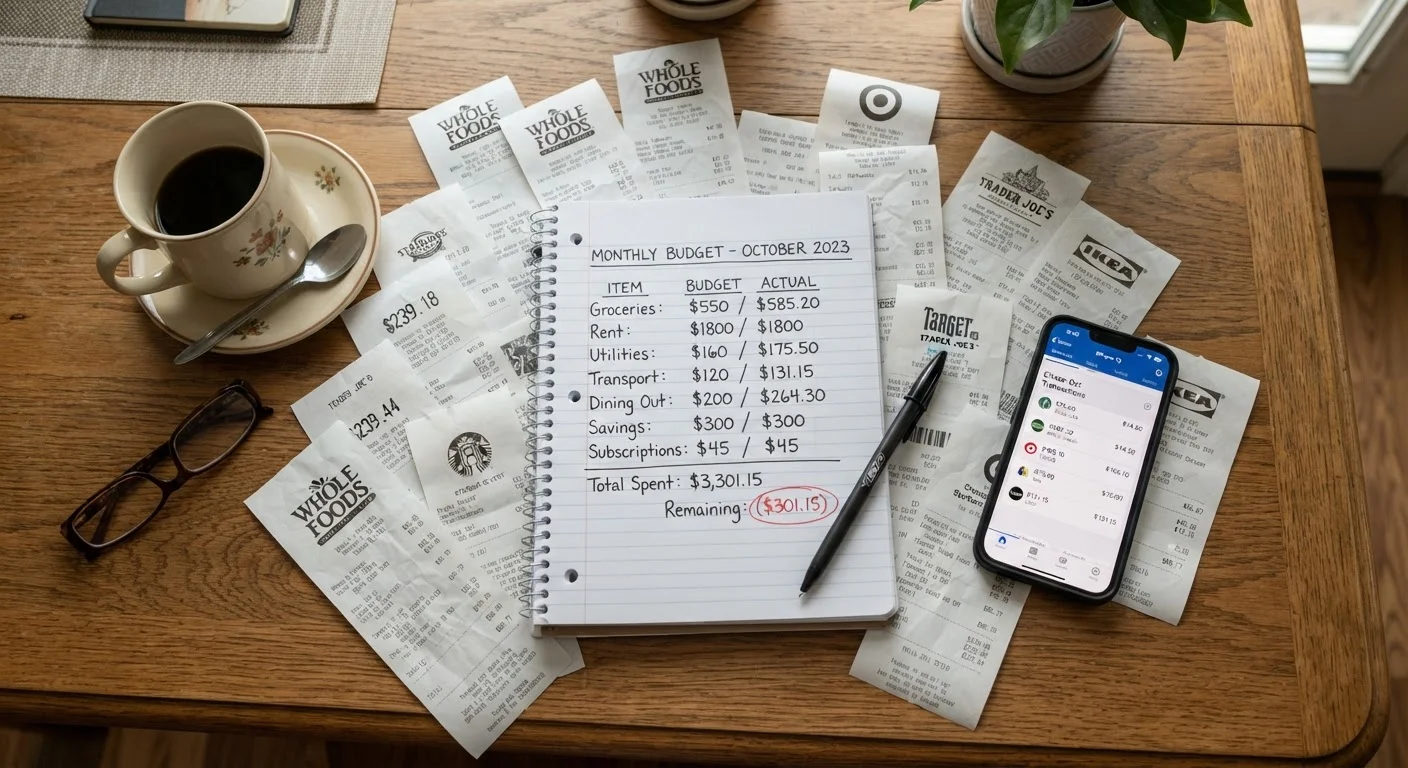
Why Small Expenses Add Up Faster Than You Think
Most household budgets are derailed not by one large mistake but by dozens of small, recurring costs that never quite register as a problem. A $9.99 charge here, a $4 fee there - individually they feel inconsequential, but together they can quietly absorb hundreds of dollars a year that most households never account for.
Spending leaks share a common trait: they feel passive. You're not actively choosing to spend that money each month - it just leaves. That's what makes them so persistent. Unlike a splurge you might remember and feel, a forgotten subscription or a small monthly convenience fee never triggers any mental review.
The categories below represent the patterns that show up most consistently when people actually sit down and audit their statements. Understanding them is the first step toward reclaiming that money. For a broader view of where household money typically goes, see our guide to common budget categories.
Forgotten or underused subscriptions
Streaming services, app subscriptions, gym memberships, software trials that converted to paid plans - these accumulate over time, especially when sign-up is frictionless and cancellation requires effort. Many households are paying for four or more streaming platforms simultaneously, often with overlapping content libraries.
The fix isn't necessarily canceling everything. It's knowing what you have and deciding deliberately. If you haven't opened an app in 60 days, that's a signal worth acting on.
If you haven't used a subscription in 60 days, it's likely a spending leak.
Bank fees and minimum balance penalties
Monthly maintenance fees, out-of-network ATM charges, and overdraft fees often go unnoticed because they appear at the bottom of a statement among dozens of other transactions. Over a full year, these charges can easily reach $100-$200 for an average household.
Many of these fees are avoidable by switching account types, setting up direct deposit, or simply maintaining a qualifying balance. The key is noticing the charge exists in the first place.
Bank fees are often avoidable - but only if you first notice they're there.
Convenience and delivery markups
Food delivery apps, on-demand services, and in-app purchases frequently add service fees, surge pricing, and tips that can push the actual cost 30-50% above the listed item price. When used occasionally, these are manageable. When they become a default habit, they represent a significant and often invisible markup on everyday spending.
Comparing the delivered price to the in-store or pickup price just once can be enough to change behavior for most people.
Food delivery fees and markups routinely add 30-50% to the listed item price.
Interest on small revolving balances
Carrying a modest credit card balance - say, $300 to $500 - might not feel urgent, but at typical annual percentage rates (APRs), even small balances generate meaningful interest charges over time. Unlike a large balance that demands attention, a small one often gets treated as manageable and therefore ignored indefinitely.
The cost of letting a small balance linger for a year frequently exceeds the cost of any single discretionary purchase most people would think twice about making.
A small lingering credit card balance can cost more annually than most one-time splurges.
Auto-renewed annual fees
Annual memberships, software licenses, and insurance policy renewals often charge automatically and arrive at irregular intervals, making them easy to miss in monthly statement reviews. These charges can range from $25 to several hundred dollars, and many people renew services they no longer actively use simply because the renewal happened silently.
Setting a calendar reminder 30 days before any known annual renewal gives you a window to evaluate whether the service still earns its cost. Our guide to irregular expenses covers how to plan for costs that don't appear every month.
Annual auto-renewals arrive silently - set calendar reminders 30 days ahead to evaluate each one.
Unused insurance add-ons and riders
Many insurance policies accumulate optional riders, add-ons, or coverage layers over time - some added during a life stage that's since changed. Extended warranty coverage on items you no longer own, roadside assistance you're already getting through another service, or rental car coverage when you don't rent cars are common examples.
A brief annual review of each insurance policy's line items - not just the total premium - often reveals coverage you're paying for but wouldn't think to use.
Optional insurance riders added years ago may cover situations that no longer apply to your life.
Dripping household utilities
A running toilet can waste thousands of gallons of water per month. A slow faucet drip, a drafty window, or an appliance running in standby mode all translate to utility costs that quietly inflate monthly bills without any clear event to blame. These aren't dramatic failures - they're gradual inefficiencies.
Small plumbing issues in particular tend to get dismissed as minor. They rarely stay that way. Plumbing issues that seem minor often compound into both repair costs and inflated utility bills over time.
A running toilet can waste thousands of gallons monthly - and show up silently on your water bill.
How to Start Plugging the Leaks
The single most effective action you can take is pulling up three months of bank and credit card statements and going line by line. It sounds tedious, but most people find at least two or three charges they had completely forgotten about - and often more. Our monthly budget review checklist gives you a structured way to do this without spending hours on it.
Once you've identified the leaks, prioritize by frequency and replaceability. A subscription you haven't used in two months is an easy cut. A bank fee you're paying simply because you haven't met a minimum balance threshold is often fixable with a single phone call or account change.
Use a simple statement audit routine
Set aside 20 minutes at the end of each month to scan every charge under $20 in your bank and credit card statements. Small recurring charges are easy to overlook line by line, but grouping them visually often reveals patterns you'd otherwise miss. Even a single unnecessary $12/month subscription, canceled today, returns $144 over the next year.
Fixing spending leaks isn't about living with less - it's about making sure your money is actually going where you intend it to. If you're working with a tight income, these savings can become the foundation of a real buffer. The approaches outlined for saving on a tight budget show exactly how to put reclaimed dollars to work.
This article is for general informational and educational purposes only and does not constitute personalized financial advice. Consult a qualified financial professional for guidance specific to your situation.