
Why Seasonal Maintenance Is a Financial Strategy
Owning a home isn't just about the mortgage - it's about actively protecting an asset that typically represents a household's largest investment. Deferred maintenance is one of the most predictable ways that home value erodes quietly over time. A clogged gutter becomes a rotted fascia board. An unserviced furnace becomes a mid-winter breakdown. Small omissions compound. Our guide to the hidden costs of deferred maintenance examines exactly how this cycle plays out financially.
The good news: most high-impact maintenance tasks aren't complicated or expensive when addressed on schedule. What they require is consistency. A season-by-season approach makes the workload manageable and keeps your home systems running efficiently year-round. For a broader framework, the Home Maintenance Task Tracker offers a structured reference for frequencies and task details across all major systems.
Start a Simple Home Maintenance Log
Keep a dated record of every maintenance task completed - what was done, who did it, and any findings noted. This log becomes valuable when selling your home, filing insurance claims, or diagnosing recurring problems. A basic spreadsheet or even a notebook works well. Consistency matters more than format.
Key Seasonal Tasks That Protect Long-Term Value
Spring: Inspect the Roof and Exterior After Winter
Winter is hard on exterior surfaces. Once temperatures stabilize, inspect your roof for missing, cracked, or curling shingles - even minor damage can allow water infiltration that damages insulation and framing over time. Check flashing around chimneys, skylights, and vents. Walk the perimeter looking for cracks in the foundation, damaged siding, and gaps around window and door frames where caulking may have failed.
This is also the right time for a thorough spring home inspection walkthrough, which covers drainage, grading, and interior signs of winter damage. For roofing work beyond visual inspection or minor caulking, engage a licensed roofing contractor - roof repairs involve fall risk and often require permits depending on scope.
Even minor roof damage after winter can allow water infiltration that damages framing over time.
Spring: Service the HVAC System Before Cooling Season
Air conditioning systems work hardest in summer, so spring is the optimal window for professional servicing. A qualified HVAC technician will clean coils, check refrigerant levels, test electrical components, and clear condensate drain lines - all tasks that directly affect efficiency and lifespan. Homeowners can handle filter replacement (typically every one to three months depending on the filter type and household conditions) as a routine DIY task throughout the year.
Neglecting annual HVAC service is one of the more common - and costly - maintenance mistakes. A system running on dirty coils or low refrigerant works harder, uses more energy, and is more likely to fail during peak demand.
A system running on dirty coils works harder, uses more energy, and is far more likely to fail in peak summer heat.
Summer: Check Plumbing, Irrigation, and Outdoor Systems
Summer's longer days make it a practical time to audit outdoor systems before they're in peak use. Inspect irrigation lines and sprinkler heads for leaks, misalignment, or damage - inefficient irrigation wastes water and can erode landscaping or oversaturate foundations. Check outdoor hose bibs for drips, and inspect visible plumbing in crawl spaces or basements for signs of corrosion or slow leaks.
This is also a good season to check deck and porch structures for soft spots, loose fasteners, or signs of rot - particularly at points where wood contacts soil or concrete. Addressing these issues while weather is cooperative is far more straightforward than emergency repairs later.
Inspecting outdoor plumbing and deck structures in summer allows repairs while weather conditions are favorable.
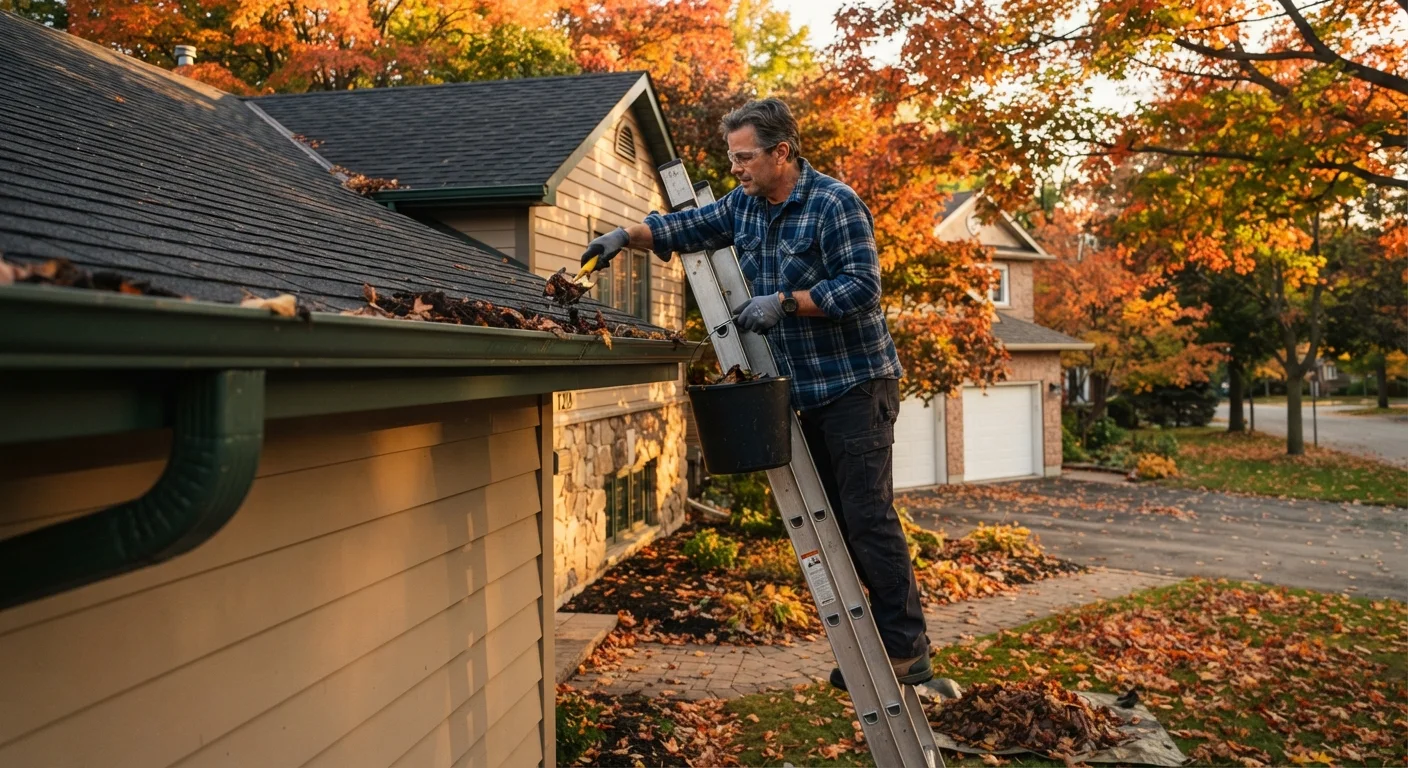
Fall: Clean Gutters and Downspouts Thoroughly
Clogged gutters are one of the most direct routes to serious - and expensive - home damage. When gutters can't channel water away from the structure, it overflows against the fascia, infiltrates the soffit, and can pool against the foundation. In cold climates, standing water in blocked gutters freezes and expands, creating ice dams that force water under roofing materials.
Clean gutters after the majority of leaves have fallen, typically in late fall. Downspouts should be flushed and confirmed to direct water at least a few feet away from the foundation. Gutter guards can reduce - but don't eliminate - the need for annual cleaning. If your home has multi-story sections or steeply pitched roofs, hire a professional rather than working at unsafe heights.
Blocked gutters are one of the most direct and preventable routes to costly water and foundation damage.
Fall: Weatherproof Doors, Windows, and the Building Envelope
Air leaks around windows and doors are a consistent source of energy inefficiency and moisture intrusion. In fall, before heating season begins, inspect weatherstripping and door sweeps for wear and replace where needed. Re-caulk exterior joints around window frames, where siding meets trim, and at penetrations for pipes or conduit.
These are among the most cost-effective DIY maintenance tasks available to homeowners - materials are inexpensive, the work requires no specialized skills, and the payoff in reduced heating costs and prevented moisture damage is measurable. Check attic insulation levels at the same time; inadequate insulation is a leading contributor to ice dams in colder climates.
Replacing weatherstripping and re-caulking window frames is among the most cost-effective DIY maintenance tasks available.
Winter: Protect Pipes and Prepare for Heating Demands
Frozen and burst pipes are among the most disruptive and costly winter emergencies homeowners face. Before the coldest months arrive, insulate exposed pipes in unheated spaces - crawl spaces, garages, and exterior walls are common vulnerability points. Know the location of your main water shut-off valve so you can act quickly if a pipe does fail.
Have the heating system's air filter checked or replaced, and if you use a fireplace or wood stove, ensure the flue has been cleaned by a certified chimney sweep - creosote buildup is a leading cause of chimney fires. Keep the thermostat set to a consistent temperature, even when traveling, to prevent freeze events. These steps are especially important in regions that experience hard freezes.
Knowing where your main water shut-off valve is located can limit damage significantly if a pipe bursts.
When Permits and Licensed Trades Are Required
Many maintenance tasks are straightforward DIY work, but others - including electrical panel work, gas line servicing, structural repairs, and certain plumbing modifications - typically require permits and licensed contractors under local building codes. Requirements vary significantly by municipality. Always verify local regulations before beginning work, and don't assume that because a task looks simple it falls outside regulated territory. Unpermitted work can complicate home sales and insurance claims.
Building a Maintenance Habit That Sticks
The most effective homeowners treat seasonal upkeep the way they treat other recurring financial obligations - scheduled, budgeted, and non-negotiable. Setting calendar reminders at the start of each season, keeping a simple log of completed tasks, and maintaining a home maintenance reserve fund makes the process far less reactive and far more sustainable.
For tasks that feel uncertain - particularly anything involving electrical panels, gas lines, roofing, or structural elements - knowing when to call a licensed professional is itself a maintenance skill. Our DIY vs. professional repairs guide helps homeowners draw that line confidently. A well-maintained home doesn't just hold its value - it tends to outperform comparable properties that have been neglected when it comes time to sell, refinance, or simply live comfortably through the next season.