
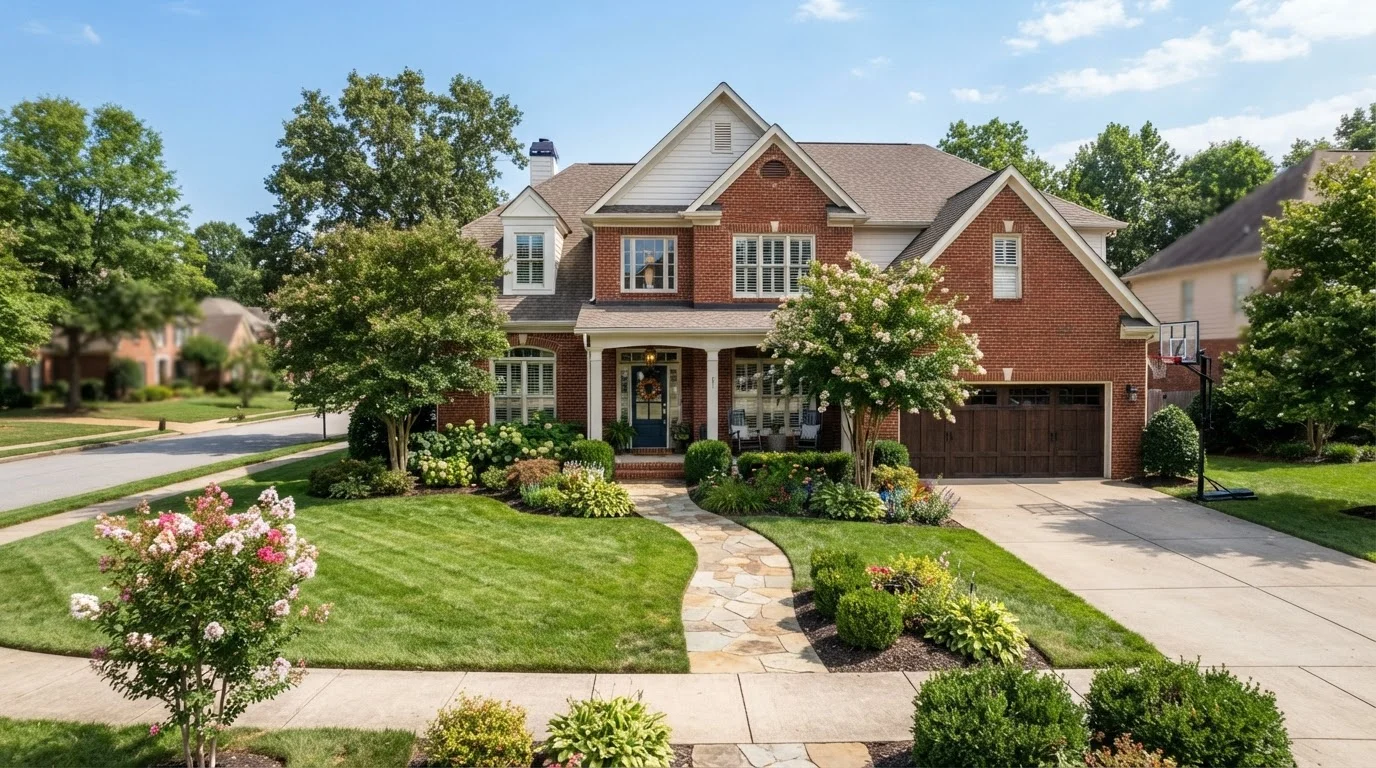
Why the Mortgage Payment Is Just the Beginning
When prospective buyers calculate affordability, the mortgage payment naturally dominates the conversation. But for most homeowners, the mortgage covers only a portion of what they actually spend each month on housing. The remaining costs - taxes, insurance, maintenance, and more - can add up to several hundred or even thousands of dollars monthly, depending on the property and location.
Understanding these costs before closing is essential. Buyers who plan only around the mortgage payment often discover the full picture only after they've moved in, which can create genuine financial pressure. Whether you're evaluating a purchase or trying to better manage an existing home's budget, a complete view of ownership costs leads to smarter decisions. For a broader view of how these trade-offs compare to renting, see Renting vs. Buying a Home: Weighing the Real Trade-Offs.
1-3%
Annual maintenance cost as share of home value
A widely cited rule of thumb among housing finance experts suggests budgeting 1-3% of a home's value each year for maintenance and repairs.
~30-40%
Extra costs on top of principal & interest
When taxes, insurance, utilities, and maintenance are added, total housing expenses often exceed the mortgage payment alone by 30-40% or more.
$1,000-$15,000+
Range of common major home repair costs
Capital expenses like water heater replacement or full roof replacement span a wide range, underscoring the need for a dedicated reserve fund.
The Fixed and Recurring Costs of Owning a Home
Several homeownership costs recur reliably each month or year. These include:
- Property taxes: Set by local governments and based on the assessed value of your property, property taxes vary enormously by state and county. Annual bills can range from under $1,000 to over $10,000 depending on location.
- Homeowners insurance: Lenders require it, and it protects your structure and belongings against covered perils. Annual premiums vary based on home value, location, and coverage level.
- Private mortgage insurance (PMI): Required when a buyer puts less than 20% down. It adds meaningful monthly cost until sufficient equity is built.
- HOA fees: If your home sits within a homeowners association, monthly or quarterly dues fund shared maintenance, amenities, and management services. Dues can be modest or substantial depending on the community.
- Utilities: Electricity, gas, water, sewer, trash, and internet are ongoing expenses that vary by climate, home size, and usage habits.
Together, these fixed and semi-fixed costs frequently add 30-40% on top of a principal-and-interest mortgage payment.
Property Tax Rates Vary Significantly by Location
Effective property tax rates vary widely across states and even between neighboring counties. Buyers comparing homes in different jurisdictions should research local tax rates as part of their affordability analysis - a lower purchase price in a high-tax area can result in a higher total housing cost than a pricier home in a low-tax jurisdiction.
Maintenance, Repairs, and Capital Expenses
Maintenance is where many homeowners are caught off guard. Unlike renters who call a landlord, homeowners bear the full cost of keeping a property functional and safe. Routine upkeep - HVAC filter changes, gutter cleaning, caulking, and pest control - is relatively affordable but must be done consistently. Neglecting small tasks compounds into larger problems over time, a dynamic explored in depth in The Hidden Costs of Deferred Home Maintenance.
Beyond routine upkeep, every home has major systems and components with finite lifespans. Roofs, HVAC systems, water heaters, plumbing, and appliances will all eventually need repair or replacement. These capital expenses can run from $1,000 for a water heater to $15,000 or more for a roof replacement. A common planning guideline is to set aside 1-3% of your home's value annually to fund these eventual costs. For a $350,000 home, that's $3,500-$10,500 per year earmarked for a home reserve fund.
Why Homebuyers Underestimate Maintenance and How to Plan for It offers a practical framework for building this kind of reserve before surprise repairs arrive.
Start Your Home Reserve Fund Before You Need It
Rather than waiting for a repair to arise, contribute monthly to a dedicated savings account earmarked for home maintenance and capital expenses. Even setting aside $200-$300 per month builds a meaningful cushion over time. Treat it as a non-negotiable line in your housing budget, not an optional extra.
Building a Realistic Total Housing Budget
The most effective way to manage homeownership costs is to plan for all of them deliberately - not just the mortgage. Start by listing every expected cost category: mortgage payment (PITI), HOA fees if applicable, utilities, and a monthly contribution to your home reserve fund. Add any known irregular costs like lawn care or pest control.
This exercise often reveals that true monthly housing costs are meaningfully higher than the mortgage payment alone. Comparing that full figure to your income gives a far more accurate affordability picture. For broader guidance on structuring a household budget around these costs, the Budgeting Basics hub offers practical frameworks for tracking and prioritizing spending.
First-time owners in particular benefit from building these habits early. A good primer on the maintenance mindset and key home systems is Owning Your First Home: A Practical Introduction to Ongoing Upkeep, which covers what to watch for and how to stay ahead of problems before they become costly.
This article is for general informational and educational purposes only and does not constitute financial, legal, or tax advice. Consult a qualified financial professional for guidance specific to your situation.