
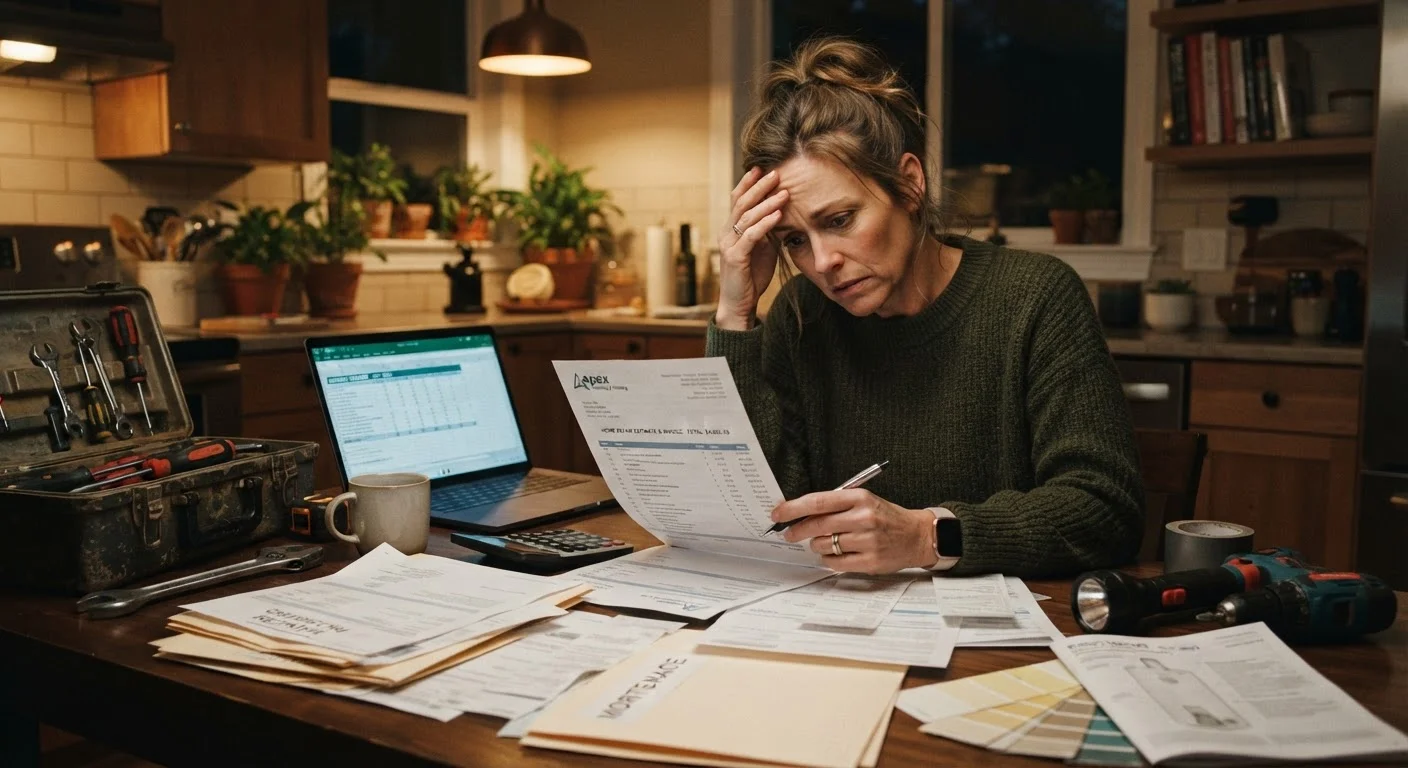
The Gap Between Homebuying and Home Maintaining
The months leading up to a home purchase are absorbed by financing, negotiations, and inspections. By closing day, most buyers are focused on what they own - not what it will cost to keep. That mental shift, from buyer to maintainer, is one of the most consequential transitions in homeownership, and many people make it too late.
Maintenance costs are not peripheral. They are a predictable, recurring obligation tied to the age, size, and condition of your home. A practical introduction to ongoing upkeep can help new owners develop the right mindset before expensive surprises arrive. Understanding the full lifecycle of homeownership - systems that wear, weather that degrades, and components that eventually fail - is essential to making informed financial decisions as an owner, not just as a buyer.
1-2%
Of home value spent on maintenance annually
A widely cited rule of thumb among housing financial advisers suggests budgeting 1-2% of your home's purchase price each year for maintenance and repairs.
$3,000+
Typical annual homeowner maintenance spend
Various consumer surveys have found that U.S. homeowners spend several thousand dollars per year on upkeep, with older homes and larger properties often running considerably higher.
Common Mistakes That Leave Homeowners Unprepared
Most maintenance planning failures aren't due to negligence - they result from specific, predictable blind spots that show up again and again among new owners. Recognizing these errors is the first step toward avoiding them.
Treating the home inspection as a complete maintenance roadmap.
Why it happens: Buyers focus on the inspection to identify deal-breakers, not to build a multi-year repair plan. Once the sale closes, the report is often filed away and forgotten.
Failing to set aside a dedicated maintenance reserve fund.
Why it happens: After down payments, closing costs, and moving expenses, budgets feel depleted. Homeowners convince themselves they'll save for repairs "later," but later often arrives as an emergency.
Ignoring seasonal maintenance tasks until visible damage appears.
Why it happens: Many new owners simply don't know which tasks are time-sensitive, such as clearing gutters before winter or servicing the HVAC before peak cooling season.
Underestimating the compounding cost of deferred maintenance.
Why it happens: A small roof leak or a hairline crack in caulking seems minor and easy to postpone. Homeowners underweigh how quickly these issues worsen without intervention.
Misreading which repairs are safe to DIY and which require a professional.
Why it happens: Online tutorials make many complex repairs look approachable. New homeowners sometimes attempt electrical, structural, or plumbing work without understanding code requirements or safety risks.
Maintenance Costs Are Not Optional
Home maintenance is a financial obligation that begins the day you close, not a discretionary expense you can skip when money is tight. Delaying essential upkeep on systems like roofing, HVAC, or plumbing can transform a modest service call into a multi-thousand-dollar emergency. Budget for maintenance from the start - not after problems appear.
For homeowners managing broader household finances, the budgeting basics hub offers practical frameworks for tracking spending and building a workable monthly plan that can accommodate maintenance contributions. And for an ongoing reference to keep your home protected year-round, explore the full home maintenance resource library.
Building a Realistic Maintenance Plan
The most effective maintenance plans share three characteristics: they are written down, funded in advance, and revisited regularly. Start by listing every major system in your home - roof, HVAC, water heater, electrical panel, plumbing, foundation, windows - and note its approximate age and expected service life. This creates a rough timeline of when significant costs are likely to arrive.
New Homes Still Require Active Upkeep
Many buyers assume a newly built or recently renovated home is maintenance-free for years. In reality, new construction settles, warranties have narrow windows and conditions, and systems like HVAC and water heaters age on their own schedule regardless of when the home was built. Skipping early maintenance on a new home can void manufacturer warranties and accelerate wear. See common home maintenance myths for more misconceptions that lead to real damage.
From there, establish a savings target. The 1-2% of home value rule is a useful starting point, but older homes often warrant budgeting toward the higher end or beyond. Supplement the savings habit with a seasonal task schedule. Knowing, for instance, when to inspect your roof from ground level or schedule a professional HVAC tune-up prevents minor deterioration from becoming structural damage. For guidance on what roof care looks like and when to call a professional, see roof maintenance from the ground up.
Maintenance is not a one-time project. It is an ongoing discipline - and the homeowners who approach it that way protect both their property and their financial stability over the long term.