What Does 'Processed' Actually Mean?
The word processed has become shorthand for unhealthy, but its scientific meaning is far more nuanced. Food processing refers to any deliberate change to a food from its natural state - which means washing, freezing, canning, fermenting, and milling all count as processing.
To bring more precision to this conversation, researchers developed the NOVA classification system, which groups foods into four categories based on the extent and purpose of their processing:
- Unprocessed or minimally processed - fresh fruits, vegetables, plain meats, eggs, and plain milk
- Processed culinary ingredients - oils, butter, flour, and sugar used in home cooking
- Processed foods - canned vegetables, cheese, cured meats, and freshly baked bread
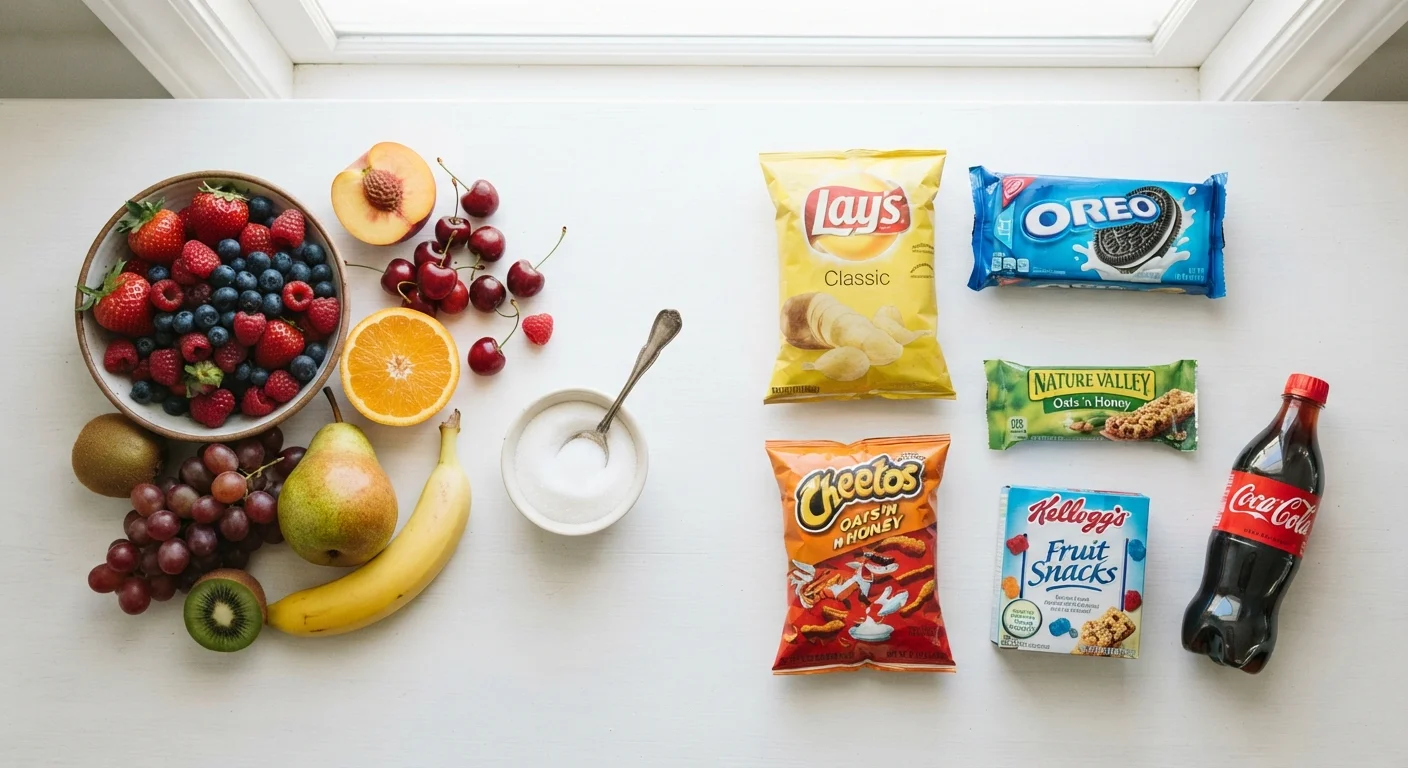
- Ultra-processed foods (UPF) - packaged snacks, soft drinks, instant noodles, and fast food engineered for palatability
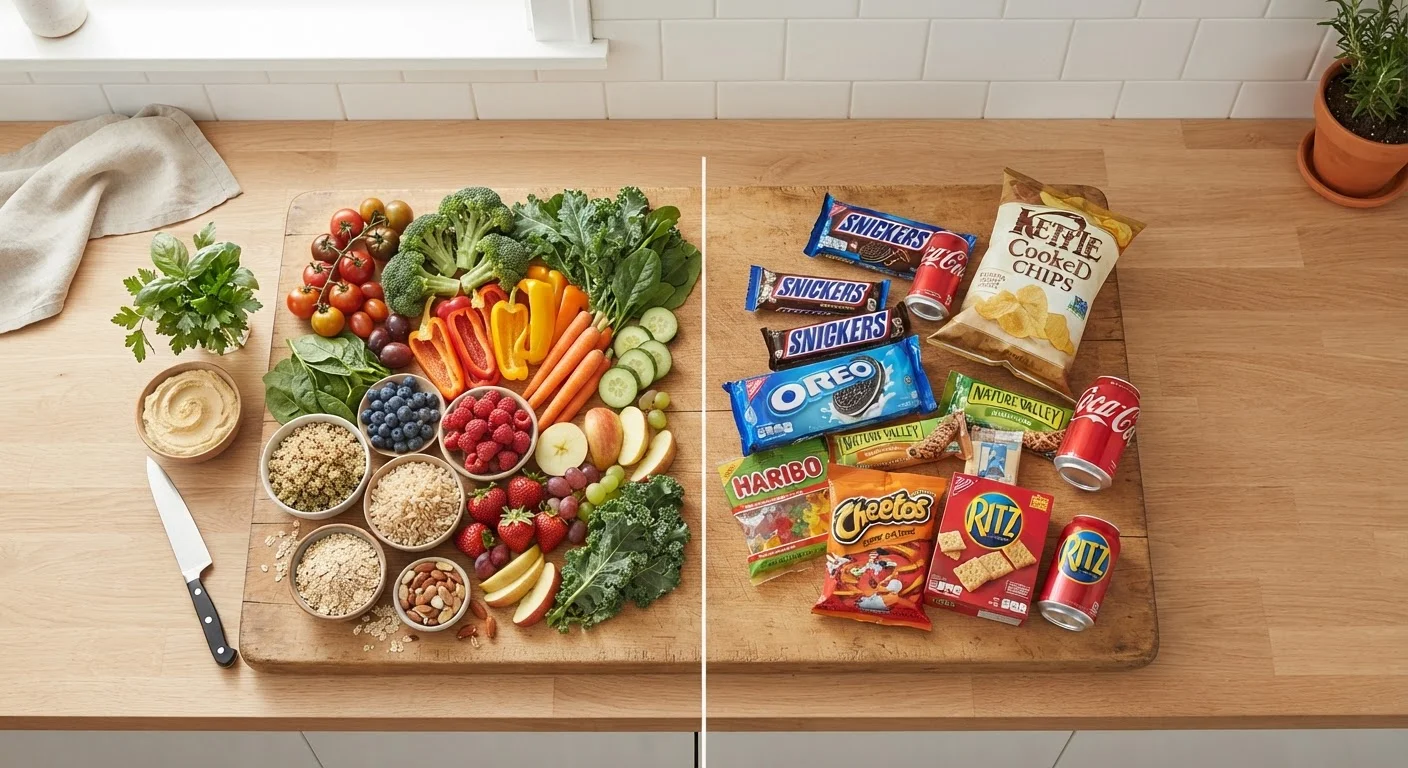
The distinction that matters most for health is not simply processed vs. unprocessed, but rather how far a food sits along that spectrum - and what was added or removed in the process.
| Criterion | Whole Foods | Processed Foods (spectrum) |
|---|---|---|
| Definition | Unaltered or minimally altered from natural state | Changed from natural state; ranges from minimal to ultra-processed |
| Fiber content | Generally high and intact | Often reduced or removed during refining |
| Added ingredients | None | Varies - from none (frozen veg) to many (packaged snacks) |
| Nutrient density | Typically high | Highly variable; fortified foods may restore some nutrients |
| Convenience | Requires more prep time | Generally quick and shelf-stable |
| Cost | Variable; fresh produce can cost more | Often lower cost, especially canned and frozen options |
| Research-linked health risk | Associated with lower chronic disease risk | Ultra-processed category linked to higher disease risk in studies |
Whole Foods: What You Get
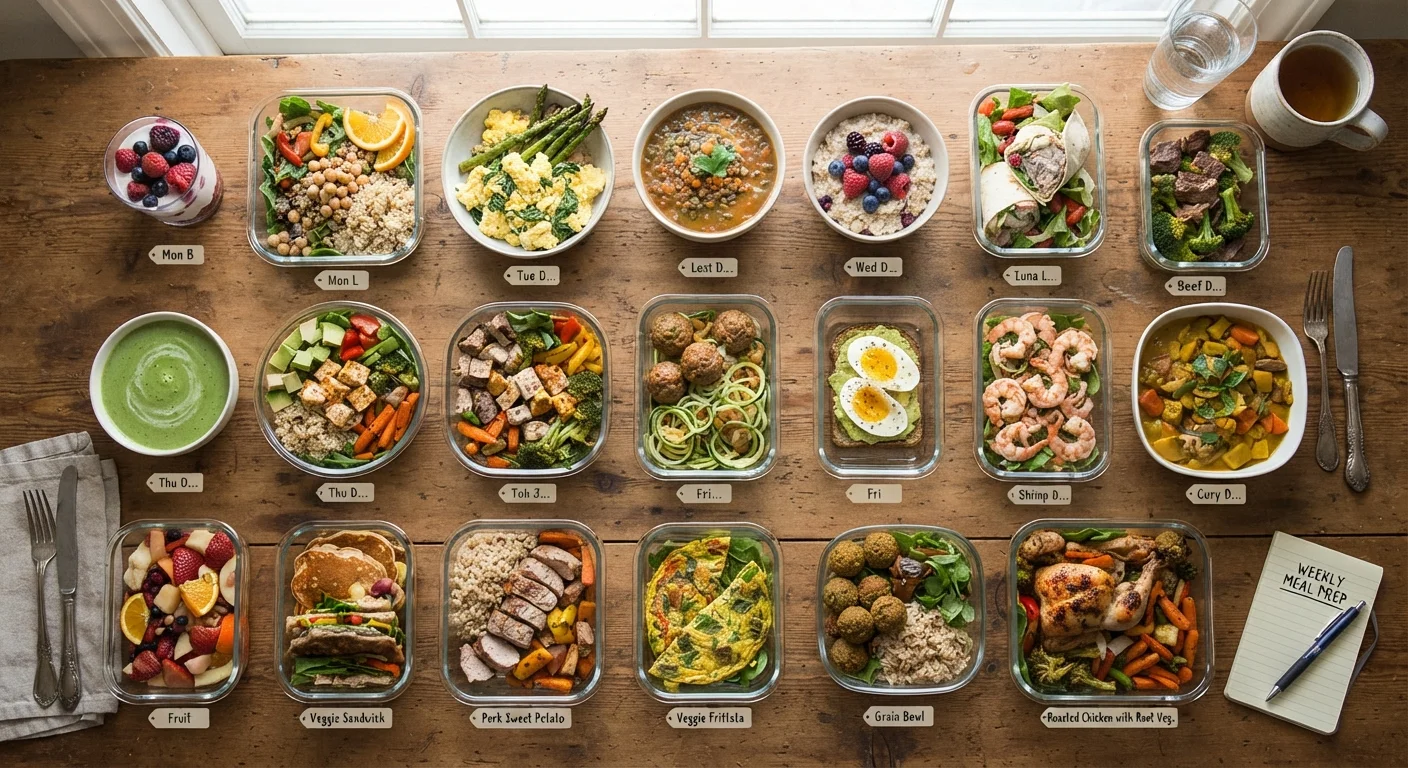
Whole foods are foods that remain as close to their natural form as possible - an apple, a handful of walnuts, a piece of salmon, or a cup of cooked lentils. Their defining characteristic is minimal human alteration: no added sugars, artificial flavors, refined starches, or industrial preservatives.
Because they are structurally intact, whole foods tend to deliver:
- Higher fiber content, which supports digestive health and helps regulate blood sugar
- Greater micronutrient density, including vitamins, minerals, and antioxidants
- Natural satiety signals, meaning the physical structure of the food - its texture, chewing requirement, and volume - helps the body recognize fullness
For a deeper look at how specific macronutrients function in your body, see our guide to macronutrients.
57%
Share of US calories from ultra-processed foods
A study published in BMJ Open estimated that ultra-processed foods account for roughly 57% of daily caloric intake among American adults.
4x
More fiber in whole grains vs. refined grains
Whole grains can contain up to four times more dietary fiber than their refined counterparts, according to nutritional composition data from the USDA.
10%+
Increased risk of cardiovascular events
A large cohort study published in The BMJ found a greater than 10% higher risk of cardiovascular-related events associated with higher ultra-processed food consumption.
Ultra-Processed Foods: The Category That Warrants Caution
While minimally processed foods pose little concern, ultra-processed foods are where robust research raises consistent red flags. These products typically contain ingredients not found in a home kitchen - emulsifiers, flavor enhancers, artificial colorings, and modified starches - and are engineered to be highly palatable and easy to overconsume.
Large observational studies have found associations between high ultra-processed food intake and elevated risks of cardiovascular disease, type 2 diabetes, certain cancers, and depression. It's important to note these are correlational findings; researchers are still working to untangle whether the processing itself, the nutritional profile, or both drive these outcomes.
One key mechanism under study is the effect of added sugars. Understanding how added sugars differ from those occurring naturally in fruit or dairy can sharpen your label-reading skills - see our breakdown of added vs. natural sugar for more detail.
NOVA Is a Research Tool, Not a Grocery Rule
The NOVA classification system is widely used in nutritional epidemiology, but it was designed as a research framework, not a consumer shopping guide. Some foods that fall into the "processed" NOVA category - like plain yogurt with live cultures or whole-grain bread - are nutritionally beneficial. Use NOVA as a thinking framework, not a rigid checklist, and prioritize the overall quality of your dietary pattern rather than any single food's classification.
Practical Strategies for Everyday Shopping
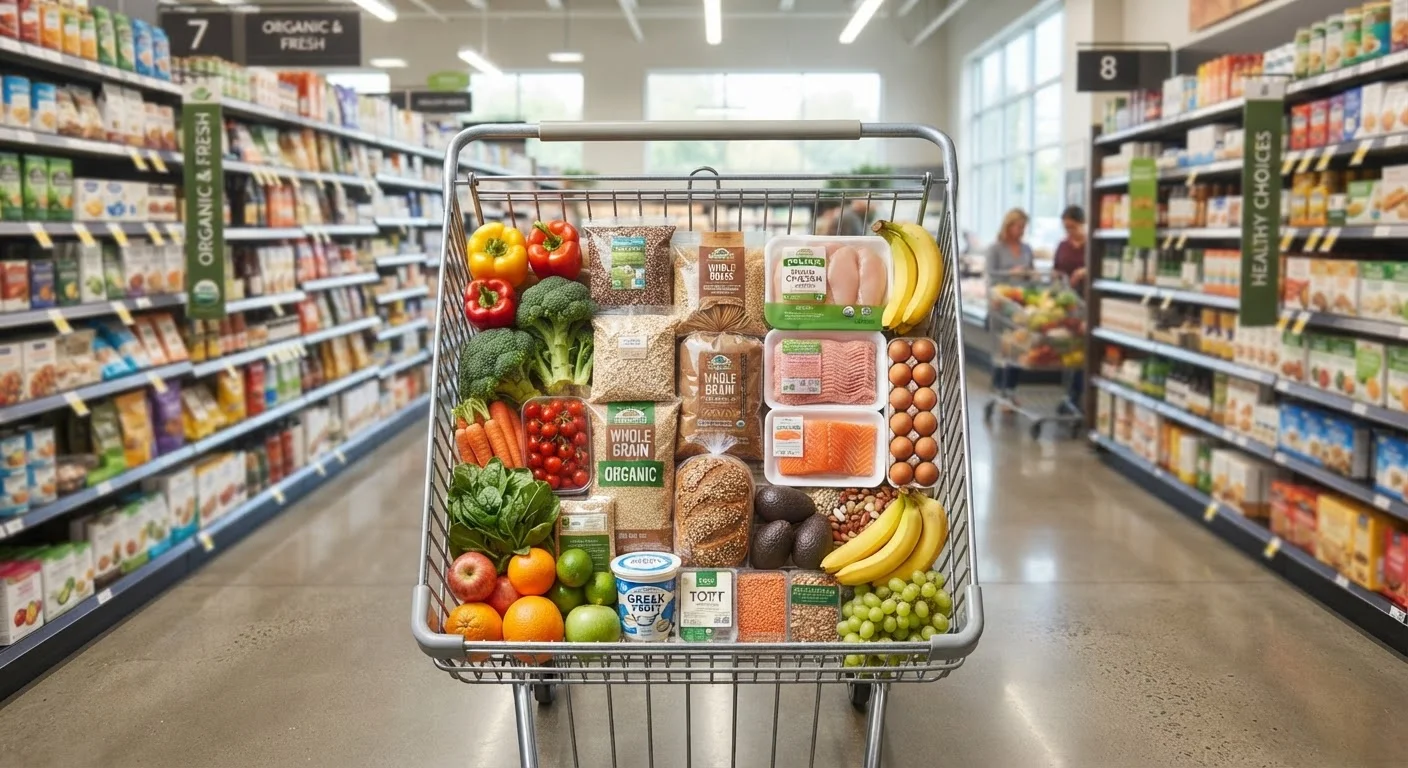
You don't need to eliminate every packaged food to eat well. A more realistic and evidence-aligned approach is to use whole foods as the foundation of your diet while choosing minimally processed options strategically.
Here are actionable habits that don't require a complete pantry overhaul:
- Scan ingredient lists, not just front labels. A product labeled "natural" or "wholesome" can still contain refined oils and added sugars. A short ingredient list of recognizable items is a stronger signal of minimal processing.
- Prioritize whole-food swaps where friction is low. Replacing white rice with brown rice, or chips with plain nuts, adds nutritional value without major lifestyle changes.
- Treat minimally processed foods as allies. Canned tomatoes, frozen spinach, and plain Greek yogurt are processed - and genuinely nutritious.
- Cook more from whole ingredients when possible. Home cooking gives you direct control over what goes into your meals.
This article is for general informational and educational purposes only and is not medical or dietary advice. Consult a qualified healthcare professional or registered dietitian for guidance specific to your health needs.