
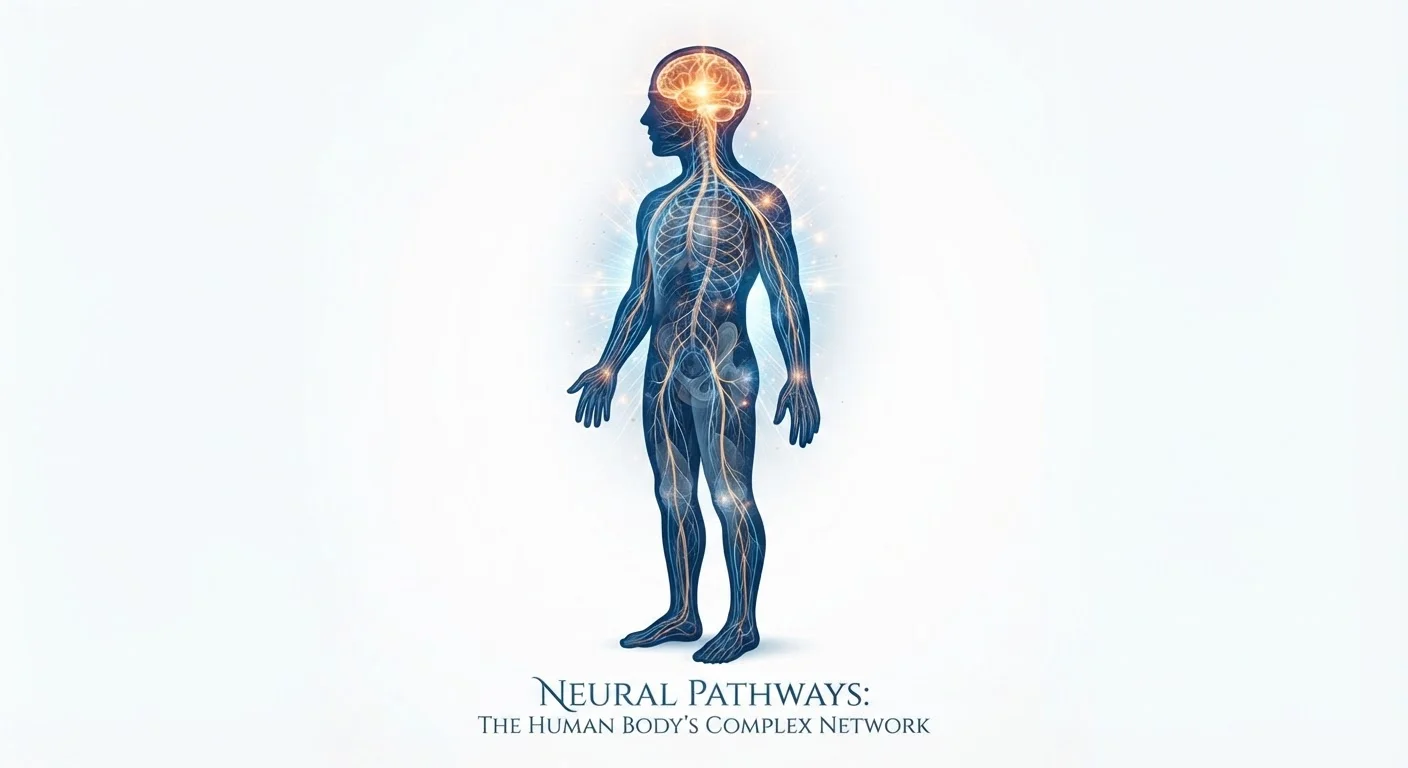
How the Stress Response Was Designed to Work
The human stress response evolved as a survival mechanism. When the brain perceives a threat - physical or psychological - the hypothalamus signals the adrenal glands to release adrenaline and cortisol. Heart rate increases, breathing quickens, and muscles receive a surge of energy. This reaction, often called the fight-or-flight response, is genuinely useful in short bursts.
The problem arises when the threat never seems to go away. Deadlines, financial pressure, relationship conflict, or health uncertainty can keep this alarm system continuously triggered. The body struggles to distinguish between a lion in the grass and a mounting pile of unpaid bills - and responds accordingly, day after day.
Acute vs. Chronic Stress: An Important Distinction
Not all stress is harmful. The acute stress response is a healthy, adaptive mechanism that helps the body perform under pressure and recover quickly. The concern addressed by researchers is specifically chronic, unresolved stress - where the recovery phase never fully arrives. This distinction matters because strategies that help with acute stress (like taking a break after a tough meeting) may be insufficient for stress that has become a persistent baseline state.
What Happens Inside the Body Under Prolonged Stress
When cortisol stays elevated over time, its effects extend far beyond the original stress trigger. Researchers have documented impacts across multiple body systems:
- Cardiovascular system: Sustained high cortisol contributes to elevated blood pressure and increased inflammation in blood vessel walls, factors associated with cardiovascular risk.
- Immune system: While short-term stress can briefly boost immunity, chronic stress generally suppresses immune function, making the body less effective at fighting infections and slower to heal.
- Digestive system: The gut and brain are closely connected through the gut-brain axis. Chronic stress can alter gut motility, change the composition of gut bacteria, and exacerbate conditions like irritable bowel syndrome.
- Sleep: Elevated cortisol interferes with the body's natural sleep-wake rhythm. Poor sleep then amplifies stress reactivity - a cycle explored further in research on sleep and mental health.
77%
Adults reporting physical stress symptoms
According to the American Psychological Association's Stress in America surveys, a substantial majority of U.S. adults report experiencing physical symptoms they attribute to stress.
2-3×
Increased cardiovascular risk with chronic stress
Research published in peer-reviewed cardiovascular journals suggests chronic psychological stress is associated with a two- to threefold increase in risk for certain cardiac events, depending on the population studied.
~20%
Hippocampal volume reduction in some studies
Neuroimaging studies have observed hippocampal volume reductions of up to approximately 20% in individuals with prolonged stress-related disorders, though the range varies across research populations.
The Brain Under Pressure: Structural and Functional Changes
One of the more striking findings in stress research is that chronic stress can produce measurable changes in brain structure. Studies using neuroimaging have observed that prolonged glucocorticoid exposure is associated with reduced volume in the hippocampus - a region central to memory consolidation and spatial navigation. At the same time, the amygdala (the brain's threat-detection center) can become more reactive, while the prefrontal cortex - responsible for rational thinking, planning, and emotional regulation - may show reduced activity.
In practical terms, this helps explain why chronically stressed individuals often report difficulty concentrating, heightened emotional reactivity, and a sense that even small problems feel unmanageable. These aren't character flaws; they reflect real neurobiological changes.
“The brain is not just responding to stress - it is being shaped by it. Prolonged exposure to stress hormones doesn't leave the brain unchanged; it reorganizes the very circuits that govern how we think, feel, and respond.”
— Robert Sapolsky, Neuroendocrinologist and Professor of Biology, Stanford University
Everyday Practices That Support the Stress Response
Understanding the physiology of chronic stress also points toward what helps. Researchers have identified several consistent patterns in people who manage stress effectively - and these tend to be accessible, everyday behaviors rather than dramatic interventions.
Regular physical movement supports the regulation of cortisol and promotes neuroplasticity, helping the brain adapt and recover. Mindfulness-based practices have been shown in multiple studies to reduce physiological markers of the stress response, including heart rate variability and cortisol levels. Social connection is another well-documented buffer: humans are neurobiologically wired to co-regulate stress through safe relationships.
Building small, sustainable habits matters more than occasional large efforts. Research-linked habits for emotional resilience suggest that consistency - not intensity - is the key variable. For those navigating workplace pressures specifically, evidence-informed strategies for mental wellness at work offer a practical starting point.
Start Small With Stress Management
You don't need a complete lifestyle overhaul to begin moderating your body's stress response. Research consistently shows that small, repeatable behaviors - a 10-minute daily walk, a brief mindfulness practice, or consistent sleep timing - have measurable effects on cortisol regulation over time. Aim for sustainable consistency over ambitious but short-lived efforts.
Knowing When to Seek Support
Normalizing stress management doesn't mean minimizing stress that has become genuinely harmful. There's an important distinction between everyday stress and patterns that signal something more serious. Warning signs that stress may have crossed a threshold include persistent physical symptoms, withdrawal from relationships, and an inability to find relief through ordinary self-care.
If stress is consistently affecting daily functioning, speaking with a qualified healthcare or mental health professional is an important step - not a last resort. Early, appropriate support is associated with better outcomes than waiting until symptoms become severe.
This article is for general informational and educational purposes only and is not a substitute for professional medical advice, diagnosis, or treatment. Always consult a qualified healthcare provider with any questions you may have regarding your health.