
What Each Term Actually Means
The words meditation and mindfulness appear side by side so often that many people treat them as synonyms. They're closely related, but they describe different things.
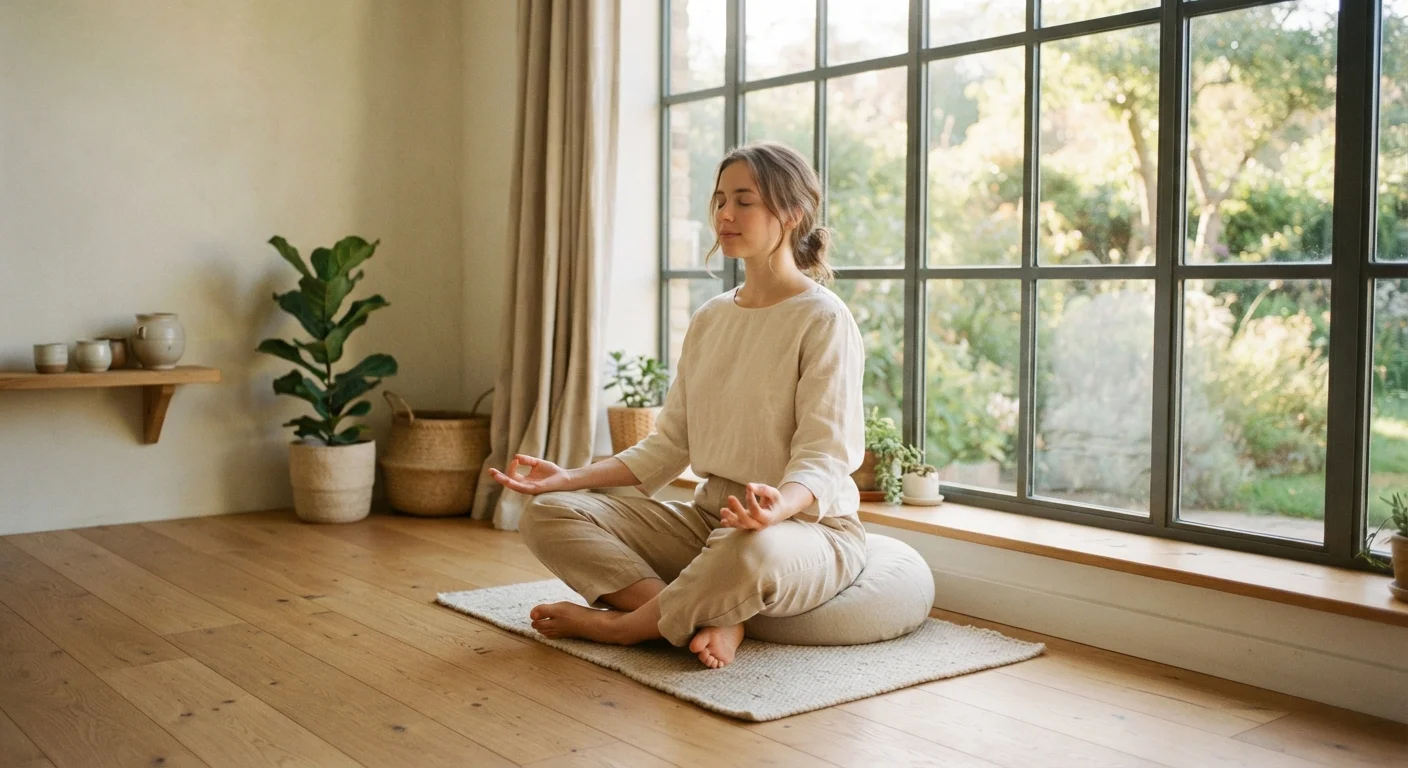
Meditation refers to a deliberate, time-bound practice. You sit down, you follow a structure - whether that's observing your breath, repeating a phrase, or scanning your body for tension - and you finish. It has a beginning and an end. Think of it the way you might think of going for a run: it's a defined activity you do, then stop doing.
Mindfulness, by contrast, is a quality of attention - specifically, paying non-judgmental, present-moment awareness to whatever is happening right now. It can be cultivated during meditation, but it can also be practiced while washing dishes, waiting in line, or having a conversation. Mindfulness is less an activity and more a mental posture you can carry through the day.
Understanding this distinction matters because it shapes how you approach each. For a deeper look at how similar-sounding concepts can do very different things, see our piece on what mental wellness actually means.
| Criterion | Meditation | Mindfulness |
|---|---|---|
| Format | Structured, time-bound session | Informal, ongoing awareness |
| When practiced | Set aside dedicated time | Woven into any moment |
| Requires stillness? | Typically, yes | No - can be done while moving |
| Learning curve | Moderate - technique matters | Low - attention is the only tool |
| Primary aim | Train focused mental attention | Sustain present-moment awareness |
| Relationship to each other | Often incorporates mindfulness | Can exist without meditation |
How They Work Together - and Separately
Most formal meditation practices are built on mindfulness principles. A breath-focused meditation session, for example, trains you to notice when your mind has wandered and gently redirect it - that act of noticing is mindfulness in action. In this sense, meditation is one of the most reliable ways to strengthen your capacity for mindfulness over time.
But mindfulness doesn't require a meditation cushion. Research published in psychology and behavioral health literature consistently shows that brief, informal mindfulness moments - pausing before a meal, taking three deliberate breaths before a meeting - can help reduce rumination and lower perceived stress. These micro-practices are especially useful for people who find formal sitting sessions difficult to sustain.
~14%
U.S. adults who meditate regularly
According to National Center for Health Statistics data, a meaningful share of American adults report practicing meditation, a figure that has grown notably over the past decade.
8 weeks
Duration linked to measurable brain changes
Multiple peer-reviewed studies, including research from Massachusetts General Hospital, found that eight weeks of mindfulness meditation was associated with structural changes in brain regions tied to attention and emotional regulation.
10 minutes
Daily practice linked to stress reduction
Research in behavioral health journals suggests that even brief daily meditation sessions of around ten minutes can produce meaningful reductions in self-reported stress over several weeks.
The practical takeaway: the two practices reinforce each other without being interchangeable. Regular meditation can deepen your everyday mindfulness, and habitual mindfulness throughout the day can make your formal meditation sessions feel less effortful. If generic wellness advice has left you skeptical about either, our article on why self-care advice often falls flat explores why grounded, specific practices tend to work better than broad prescriptions.
Getting Started Without Overcomplicating It
One of the most common barriers to either practice is the belief that you're doing it wrong. You're not. Both meditation and mindfulness are skills that develop with repetition, not performances that require perfection.
For meditation, starting with five to ten minutes of breath-focused attention is a well-supported entry point. Sit comfortably, close your eyes if that feels natural, and simply notice the sensation of breathing. When your mind drifts - and it will - redirect attention without criticism. Apps, audio guides, and community classes can all provide structure if self-guided practice feels uncertain.
For mindfulness, the entry point is even simpler: pick one routine activity and give it your full attention today. Notice the temperature of your coffee, the sounds in the room, the feeling of your feet on the floor. That's it. This kind of informal practice asks nothing of your schedule and still builds the same attentional habits over time.
Neither approach requires you to clear your mind completely - that's a common misconception. The goal is awareness of mental activity, not the absence of it. For those interested in how movement-based practices connect to mental wellness, the Fitness & Movement hub covers physical practices that complement both meditation and mindfulness.
A Note on Special Populations
While meditation and mindfulness are generally considered safe and accessible, some individuals - including those managing trauma, certain anxiety disorders, or other mental health conditions - may find intensive practice challenging without professional support. If you belong to a special population, including pregnant individuals, older adults, or those with chronic conditions, consult a qualified healthcare provider before beginning a new wellness practice.
This article is for general informational purposes only and does not constitute medical or mental health advice. If you are experiencing significant stress, anxiety, or other mental health concerns, please consult a qualified healthcare professional.