Why Winterizing Matters Before the First Freeze
A burst pipe from a single cold night can cause thousands of dollars in water damage. A furnace that fails mid-January creates not just discomfort but a genuine safety risk. The good news is that most of the damage winter does to homes is preventable with modest effort taken before temperatures drop. Winterizing isn't a single task - it's a short checklist of targeted actions that, done together, protect three vulnerable systems: your plumbing, your building envelope (the shell that keeps cold out), and your heating equipment.
This process fits into the broader rhythm of seasonal home maintenance that protects long-term value - addressing the right tasks at the right time of year reduces both emergency repair costs and ongoing energy waste. For a month-by-month view of where winter prep fits alongside other upkeep, see the full seasonal home maintenance calendar.
What you will need
What You'll Need
Most winterizing tasks require basic materials available at hardware stores and can be completed by a homeowner with moderate comfort around home maintenance. A few tasks - specifically gas furnace service and work involving pipe runs inside finished walls - should be handled by licensed professionals.
Foam pipe insulation sleeves
Wrap around exposed water pipes in crawl spaces, garages, and basements to slow heat loss and reduce freeze risk.
Weatherstripping
Seals gaps around door frames to block cold air infiltration and improve heating efficiency.
Silicone or acrylic latex caulk
Fills gaps around window frames, utility penetrations, and baseboards where cold air enters.
Draft snake or door sweep
Blocks the gap at the base of exterior doors where a significant amount of heat can escape.
Programmable or smart thermostat
Maintains safe minimum temperatures automatically, reducing the risk of freeze damage when the home is unoccupied.
Furnace filter (correct size for your unit)
Replacing a clogged filter before heavy winter use improves airflow, efficiency, and air quality.
Heat tape (self-regulating type)
Applied to vulnerable pipe runs in extremely cold unheated spaces as added protection against freezing.
Schedule HVAC Service Early in the Season
HVAC technicians book up quickly once cold snaps hit. Scheduling a furnace tune-up in early fall - before most homeowners think about it - typically means faster appointments and more flexibility. Keeping a record of annual service also supports your equipment warranty and helps document home maintenance history if you sell.
Step-by-Step Winterizing Process
Work through the steps below before your region's first hard freeze. In most of the continental US, that means completing this checklist by late October or early November, though timing varies significantly by climate zone.
Locate and insulate vulnerable pipes
Pipes most at risk of freezing run through unheated areas: crawl spaces, attached garages, unfinished basements, and exterior walls. Measure each exposed run and cut foam pipe insulation sleeves to fit snugly, taping joints closed. Pay particular attention to pipes near exterior walls or in spaces that drop below 40°F.
Disconnect and drain outdoor hoses and faucets
Disconnect garden hoses from spigots and store them indoors. Turn off the interior shut-off valve that feeds each outdoor faucet, then open the exterior spigot to drain any remaining water. If your home has frost-free (anti-siphon) sillcocks, check that the handle is fully closed - these are designed to drain automatically but only if a hose is removed.
Seal drafts around windows, doors, and penetrations
On a cold or windy day, move a hand slowly around window frames, door frames, electrical outlets on exterior walls, and where pipes or cables enter the home. Noticeable airflow or cold spots indicate gaps. Apply fresh caulk to stationary gaps around frames and utility penetrations. Replace worn weatherstripping on door frames and add or replace door sweeps at the base of exterior doors.
Service your furnace or heating system
Replace the furnace filter with the correct size for your unit - a clogged filter forces the blower to work harder and can cause the heat exchanger to overheat. Check that all supply and return vents are open and unobstructed by furniture or rugs. Schedule a professional inspection if your furnace is gas-fired, uses a heat pump, or if you haven't had service in the past 12 months. A licensed technician will check burners, heat exchanger integrity, refrigerant levels (for heat pumps), and safety controls.
Test carbon monoxide and smoke detectors
Heating season increases the risk of carbon monoxide buildup from furnaces, fireplaces, and space heaters. Press the test button on every CO and smoke detector in the home. Replace batteries in any unit that is battery-operated. If a detector is more than seven to ten years old, replace the unit entirely - sensors degrade over time. Install a CO detector on every floor and within ten feet of each sleeping area if you don't already have them.
Set a safe minimum thermostat temperature
Even if you plan to be away, keep the thermostat set no lower than 55°F to protect pipes inside interior walls. If you use a programmable or smart thermostat, program a setback schedule that maintains this floor temperature overnight and during absences. Confirm that any zone-controlled heating systems cover areas where pipes run - unheated zones can reach damaging temperatures even if other parts of the home are warm.
Inspect the exterior for water and heat loss vulnerabilities
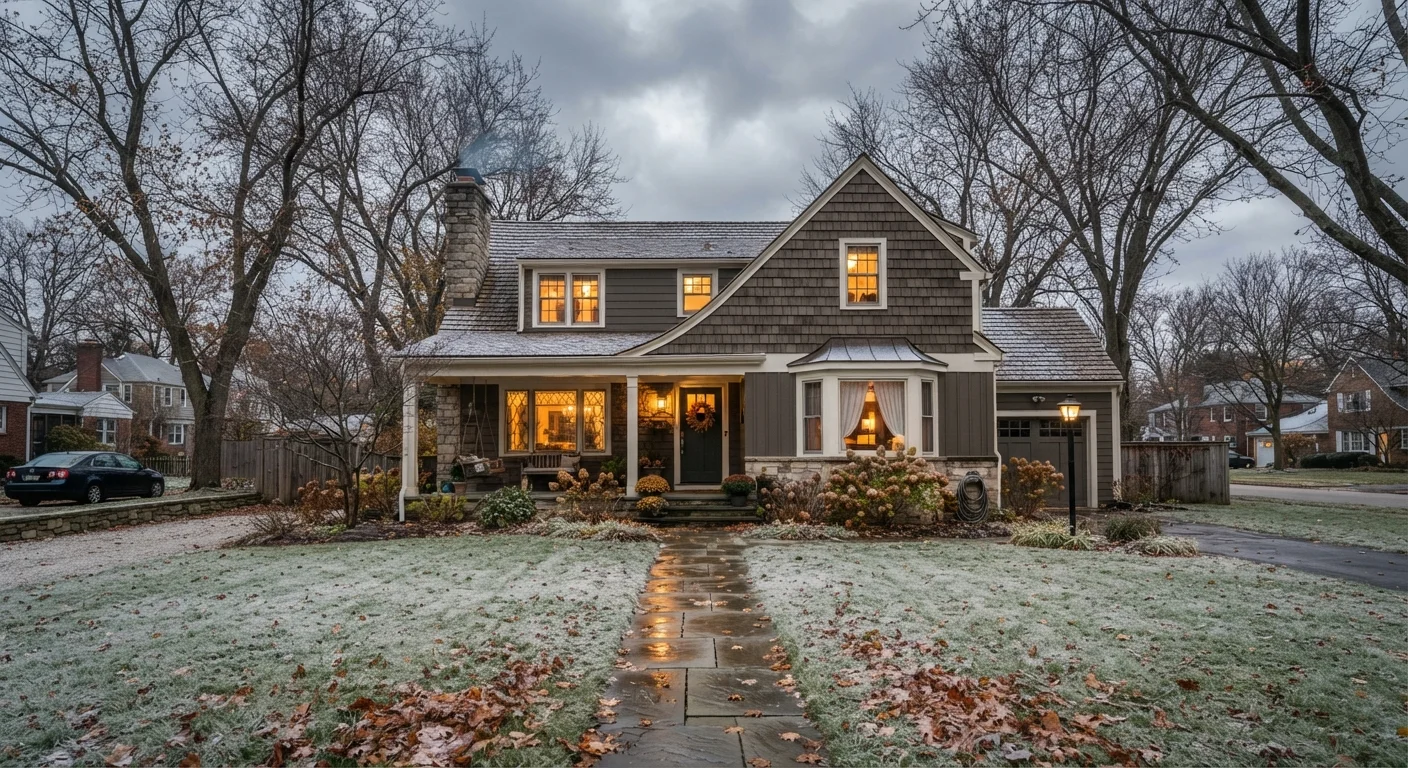
Walk the perimeter of the home and look for: gaps or cracks in foundation siding where cold air or pests can enter; missing or damaged caulk around window or door trim; and any areas where insulation may have been disturbed near the roofline or attic hatch. Check that attic hatch covers are insulated on their upper surfaces - an uninsulated hatch is a significant source of heat loss. Address any issues before temperatures fall consistently below freezing.
Never Ignore a Gas Furnace Warning Sign
Unusual smells (other than the brief dusty odor at first seasonal startup), visible soot near registers, or a yellow or flickering burner flame can signal carbon monoxide risk or combustion problems. Turn off the furnace, ventilate the space, and contact a licensed HVAC technician immediately. Do not attempt to service gas components yourself.
Pipe Insulation Alone Is Not Enough in Extreme Cold
In regions where temperatures drop well below freezing for extended periods, foam pipe insulation slows heat loss but does not eliminate freeze risk in unheated spaces. Consider supplemental heat tape rated for your pipe type, and consult a licensed plumber if you have pipes running through exterior walls with little insulation.
After Winter: What to Check in Spring
Even a well-prepared home can sustain subtle winter damage - hairline cracks in caulk from freeze-thaw cycling, minor gutter shifts from ice weight, or condensation staining in attic spaces. Once temperatures stabilize above freezing, a methodical exterior walkthrough is worthwhile. The spring home inspection walkthrough provides a room-by-room and exterior checklist to spot issues before they worsen. If you drive a vehicle, similar cold-weather stress applies there too - see seasonal car prep guidance for how cold affects your vehicle's maintenance needs.
Winterizing does involve some upfront cost - insulation materials, filter replacements, and professional HVAC service - but these expenses are modest compared with the cost of repairing a burst pipe or emergency furnace repair. For readers thinking about how to budget for home maintenance, budgeting basics offers practical strategies for tracking and planning these recurring expenses.
This article is for general informational purposes only. For tasks involving gas systems, structural components, or permitted work, consult a licensed professional and verify local code requirements before proceeding.