
The High Cost of a Few Preventable Oversights
Security deposits - typically one to two months' rent - represent real money. Yet a significant share of renters lose some or all of that amount not because of major damage, but because of documentation gaps, avoidable messes, and misunderstandings about what landlords can legally keep.
Most disputes come down to a handful of recurring mistakes. Understanding them before you move in - not after - is what separates renters who get their full deposit back from those who don't. For a broader look at what landlords are and aren't permitted to deduct, see what landlords can and cannot keep from a security deposit.
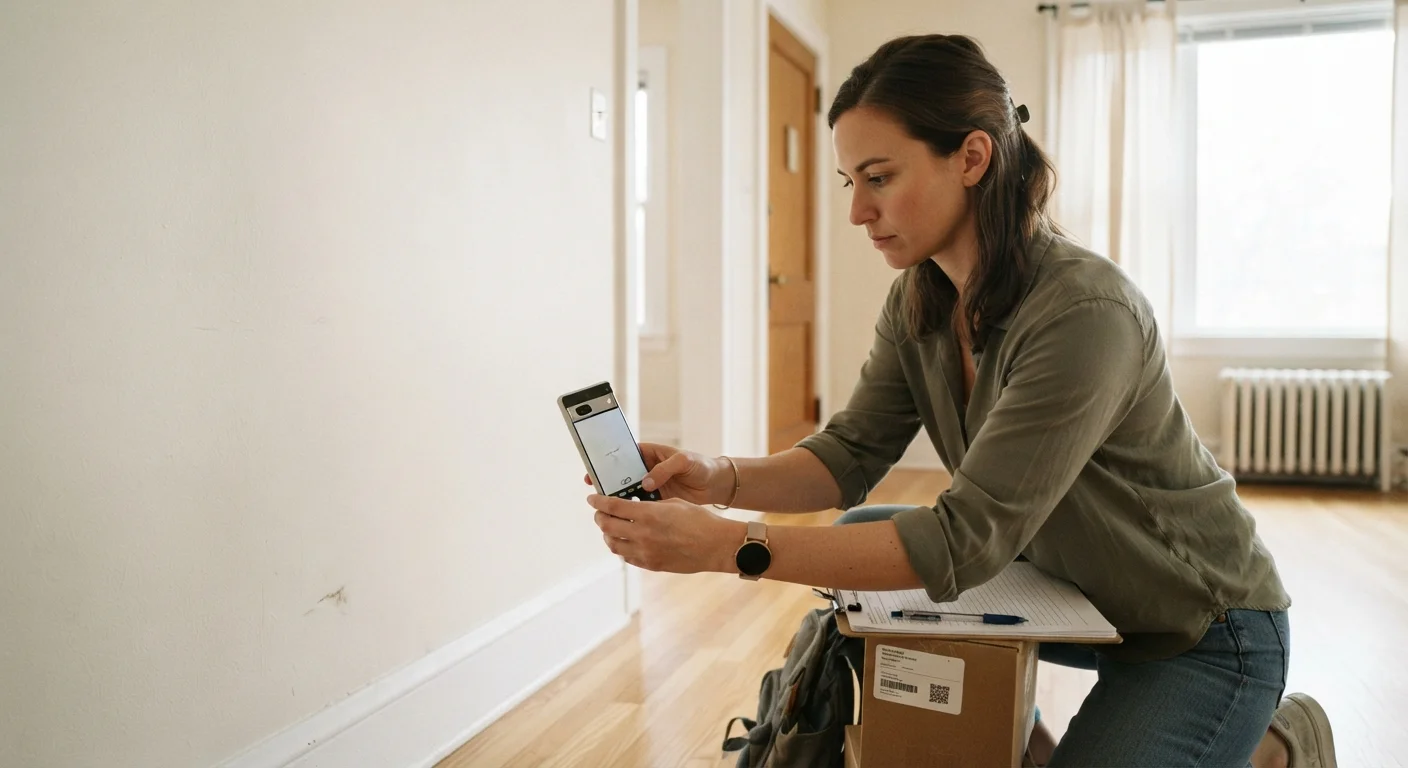
Skipping the move-in inspection and failing to document the unit's condition on day one.
Why it happens: Many renters are eager to settle in and don't realize the move-in walkthrough is their primary legal protection against disputed damage charges later.
Leaving the unit dirty or failing to restore it to its original clean condition at move-out.
Why it happens: After the stress of packing and coordinating a move, deep cleaning often falls low on the priority list - but landlords routinely charge professional cleaning fees that exceed the cost of doing it yourself.
Making unauthorized modifications - painting walls, installing fixtures, or replacing hardware - without written landlord approval.
Why it happens: Renters often personalize a space assuming small changes won't matter or assuming verbal permission is sufficient.
Failing to report maintenance issues and allowing minor problems to worsen over the tenancy.
Why it happens: Renters sometimes avoid reporting problems out of convenience, concern about rent increases, or not wanting to bother the landlord - only for small issues to become significant damage by move-out.
Misunderstanding what counts as normal wear and tear versus damage the tenant is responsible for.
Why it happens: The line between acceptable wear and chargeable damage is genuinely unclear to many renters, leading to either unnecessary repairs or unexpected deductions.
Not conducting a move-out walkthrough or requesting a pre-move-out inspection where legally available.
Why it happens: Many renters hand back keys without realizing they may have the right to a joint walkthrough - or that attending one gives them a chance to correct issues before deductions are made.
Building a Paper Trail That Works in Your Favor
The thread running through nearly every deposit dispute is documentation - or the lack of it. A landlord who claims a wall was damaged has little leverage when a renter can produce timestamped move-in photos showing the damage was pre-existing. The reverse is equally true.
~50%
Renters who don't get full deposit back
Surveys conducted by renter advocacy organizations consistently find that roughly half of tenants report not receiving their full security deposit upon move-out.
#1
Top reason for deposit deductions
Cleaning charges are widely cited by property managers as the most common single reason for deducting from a tenant's security deposit.
Effective documentation doesn't require sophisticated tools. A smartphone camera, a written move-in checklist, and a habit of communicating in writing can establish a clear record that protects you throughout your tenancy. Email is particularly useful - it automatically timestamps your communications and creates an easily retrievable archive.
If a disagreement does escalate despite your best efforts, your documented record becomes the foundation for any resolution process. Resolving landlord disputes without going to court is often possible when renters have strong documentation in hand. And before assuming you know your rights, it's worth reviewing common myths about renter protections that may affect how you approach deposit issues.
Know Your State's Deposit Return Deadline
Most states require landlords to return a security deposit - along with an itemized list of any deductions - within 14 to 30 days of move-out. Missing this deadline can, in many states, entitle the tenant to double or triple the withheld amount as a penalty. Check your state's specific statute and make sure you've provided your landlord with a forwarding address in writing.
This article is for general informational purposes only and does not constitute legal advice. Tenant-landlord laws vary significantly by state and locality. Consult a qualified attorney or your local tenant rights organization for guidance specific to your situation.